Fast Food Clipart, Cute Kawaii Design Review
When I sit down to evaluate a new digital asset for my embroidery studio, I am rarely looking for just "cute." I am looking for viability. Can this design hold up under the needle? Will it translate well from a screen to fabric? Does it have enough visual weight to stand out on a finished product without looking messy or cluttered? Today, I am putting Fast Food Clipart, Cute Kawaii Design through that same rigorous practical test. This is not just a graphic; it is a potential cornerstone for a seasonal collection, and as an experienced designer, I need to know if it delivers.
First Impressions: Mood and Visual Personality
The immediate appeal of Fast Food Clipart, Cute Kawaii Design lies in its approachability. The aesthetic taps directly into the kawaii style—characterized by soft lines, expressive features, and a generally wholesome, playful vibe. For designers targeting children’s markets, gift shops, or casual apparel brands, this mood is gold. It feels friendly, unpretentious, and highly marketable.
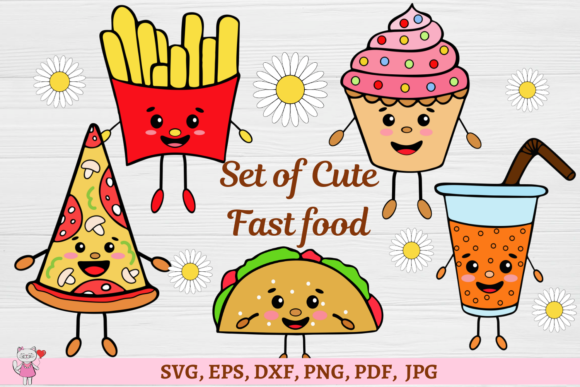
Visually, the layout suggests a balanced composition. In embroidery, balance is everything. If a design is too top-heavy or has uneven negative space, the stitching can pull or distort the fabric. From what I can see, this design has a clear focal point with supporting elements that frame it nicely. The theme of fast food is universally recognized, which aids in instant customer recognition. When a buyer sees a stylized burger or fries icon, they get it immediately. That clarity is crucial for handmade products where you want the message to be understood at a glance, whether it’s hanging on a rack at a craft fair or displayed in an Etsy listing.
Real-World Application: The Tote Bag Scenario
To truly judge this embroidery file, I imagine it in a specific context: a custom embroidered tote bag for a local coffee shop or a boutique bakery. Imagine a sturdy canvas tote featuring Fast Food Clipart, Cute Kawaii Design centered on the front panel. The kawaii style softens the industrial look of the canvas, making the bag feel like a lifestyle accessory rather than just a utility item.
In this scenario, the design performs well because fast food imagery pairs naturally with casual outings, picnics, and beach trips. The target audience here is broad—young adults, students, and families. If I were an Etsy seller or running a small shop product line, this design would fit seamlessly into a "Summer Vibes" or "Foodie Favorites" collection. It allows for cross-selling opportunities; perhaps matching kitchen towels or aprons could feature complementary elements from the same set.
However, we must consider the finished product's longevity. A tote bag takes a beating. The embroidery needs to be durable. The clean lines of the kawaii style are actually an advantage here. Complex, intricate details often fray or get lost over time, but bold, simplified shapes tend to age better. This gives me confidence that Fast Food Clipart, Cute Kawaii Design will maintain its integrity after multiple washes, a key factor in maintaining customer trust and reducing returns.
Technical Performance in Embroidery
Translating vector graphics to stitch-out requires careful consideration of how different stitches interact with the design elements. Here is how I anticipate Fast Food Clipart, Cute Kawaii Design will behave on the hoop:
- Satin Stitch Potential: Outlines and small details likely benefit from satin stitches. The kawaii style usually relies on smooth, continuous lines, which satin stitch renders beautifully. This provides a polished, professional edge that elevates the finished product.
- Fill Stitch Areas: Larger solid areas, such as the body of a character or large food items, would work well with fill stitches. This adds texture and depth, preventing the design from looking flat against the fabric. For a sweatshirt embroidery project, this textural contrast is vital to make the design pop against the fleece or cotton blend.
- Running Stitch Accents: Small decorative elements, like steam rising from fries or simple facial expressions, might use running stitches. These add a delicate touch that contrasts nicely with heavier fills, keeping the overall stitch density manageable.
One critical note on thread colors: Kawaii designs thrive on pastel palettes or bright, primary colors. I recommend testing the design with high-contrast thread choices. On light fabrics, white or cream threads might get lost, whereas on dark fabrics, neon or bright pastel threads will create a striking visual impact. Always check your colorway before committing to a full production run.
Where Caution Is Required
No design is perfect for every surface. There are specific situations where Fast Food Clipart, Cute Kawaii Design might struggle:
- Small Hoop Sizes: If the design contains tiny lettering or very fine details, shrinking it down for a small hoop (like 4x4 inches) may result in muddy stitching. Fine lines can merge together, losing the definition that makes the kawaii style charming. Stick to larger hoops or simplify the digitization if scaling down is necessary.
- Textured and Stretchy Fabrics: While this design works well on stable fabrics like cotton twill or canvas, applying it to highly textured fabrics (like heavy denim or boucle) or stretchy knits (like thin t-shirts) requires extra care. The underlying fabric texture can interfere with the stitch formation, and stretch can cause puckering if the stabilizer choice is incorrect. Always use a cut-away stabilizer for stretchy materials to prevent distortion during wear.
- Dense Stitch Areas: If the original graphic has overlapping elements that create dense clusters, the needle penetration might become difficult. Too much density can make the fabric stiff and uncomfortable, especially for baby embroidery items like onesies or burp cloths. Ensure the digitizer has optimized the underlay stitches to keep the fabric flat.
Strategic Value for Sellers and Makers
From a business perspective, Fast Food Clipart, Cute Kawaii Design offers strong versatility. It is not limited to one niche. It can serve as a personalized gift for a child’s birthday, a themed decoration for a holiday party, or a branded element for a food truck’s merchandise.
For commercial embroidery clients, this design offers a modern twist on traditional food imagery. It signals fun and approachability, which can help brands connect emotionally with their customers. When creating printable mockups for your listings, try showcasing the design on a variety of items—a cap, a pillow cover, and a tea towel—to demonstrate its adaptability. This helps buyers visualize the design in their own homes or businesses, increasing engagement and conversion rates.
Furthermore, the graphics category often overlaps with crafts and design assets. Even if you do not embroider it yourself, having this design in your library allows you to offer digital downloads for other makers. This expands your revenue streams beyond physical goods. Just remember to verify the licensing terms explicitly. Ensure you have the right to sell finished items made from this digital embroidery file and understand any restrictions on redistribution.
Final Designer Verdict
After reviewing the visual composition, thematic appeal, and technical requirements, Fast Food Clipart, Cute Kawaii Design earns a strong recommendation for most hobbyists and small business owners. It strikes a rare balance between being visually engaging and technically feasible for machine embroidery. Its clean lines and cheerful personality make it suitable for a wide range of projects, from custom apparel to nursery decor.
My final advice is to treat it as a versatile tool in your kit. Test it on scrap fabric first to confirm the hoop size and stabilizer compatibility. Inspect the small details closely to ensure they stitch out clearly. If those checks pass, you have a winning design that is ready to delight customers and elevate your brand presence in the competitive world of handmade goods. It is a smart, stylish addition to any embroidery project lineup.