Daisy Flower Embroidery Design Review
When I pull a new digital embroidery file into my design software, I am rarely looking at just a picture. I am looking at a potential product, a brand asset, or a personalized gift that needs to survive the reality of stitching. Today, I am evaluating the Daisy Flower digital download. While the product description lists it under Crafts and Graphics with a broad utility ranging from greeting cards to iron-on vinyl shirts, my focus is strictly on its viability as a machine embroidery design. Can this simple floral motif hold up in a real-world embroidery project? Does it translate well from screen to fabric? Let’s break down the practical implications for designers, small business owners, and crafters who want to use this design in their handmade products.
First Impressions and Visual Personality
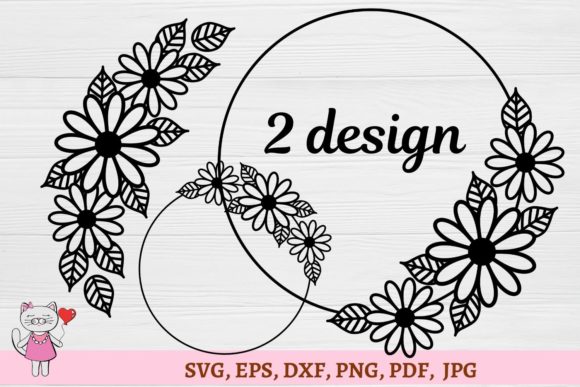
The moment you open the Daisy Flower file, the first thing that strikes me is its inherent simplicity. In the world of embroidery design, simplicity is often a double-edged sword. It can be charmingly minimal, or it can look unfinished if the stitch work isn’t precise. This particular digital embroidery file leans heavily into a cheerful, classic aesthetic. The shape suggests a traditional daisy—clean petals radiating from a central point—which immediately signals approachability and warmth.
Visually, the design feels light and airy. It does not scream for attention with aggressive shapes or complex overlapping layers. Instead, it offers a soft, nostalgic vibe that fits perfectly into the realm of handmade product creation. For an Etsy seller or a small shop owner, this is valuable because it appeals to a wide demographic. It is not gender-specific, age-restricted, or tied to a fleeting trend. A daisy flower motif works equally well for a baby shower gift, a spring-themed tote bag, or a cozy winter sweatshirt decoration. The visual personality is one of quiet confidence; it trusts the quality of the thread and the stability of the fabric to carry the design.
Real-World Application: From Screen to Stitch
To truly judge an embroidery file, you have to imagine it on actual merchandise. Let’s walk through a specific scenario: creating a custom embroidered tote bag for a local boutique. The client wants something versatile—a design that looks good on canvas, cotton, or even a lightweight linen blend. The Daisy Flower design is placed in the center chest area of the bag.
In this context, the design performs admirably. Because the petal shapes are relatively open, they allow for good thread coverage without becoming overly dense. This is crucial for tote bag design applications where heavy stitching can make the fabric stiff and uncomfortable to handle. However, if you were to scale this down for a cap or a tiny embroidered patch, you would need to be much more careful. Small hoops often struggle with fine details, and a daisy’s center and inner petal curves can get lost if the hoop size is too small relative to the design dimensions.
I also envision this design shining in baby embroidery projects. Think of a muslin swaddle blanket or a onesie cuff. The gentle curves of the daisy are safe and soothing, making it an ideal choice for nursery decor or personalized gifts for newborns. When stitched in pastel threads against white or cream fabric, the Daisy Flower creates a high-end, boutique feel that customers are willing to pay a premium for. It elevates a basic commodity item into a thoughtful, curated piece.
Technical Considerations and Stitch Execution
As a designer, I always scrutinize how a design will behave during the stitching process. The Daisy Flower likely utilizes a combination of satin stitch for the outlines and petal edges, and perhaps fill stitch or running stitch for the center detail. Understanding these components is vital for achieving a professional finished product.
If the satin stitch on the petals is too long, the thread may pucker or bridge, ruining the crispness of the flower shape. If the fill stitch in the center is too dense, it might create a hard lump that detracts from the delicate nature of the flower. Before committing to a large production run, I strongly advise testing the design on scrap fabric. Check the stitch density closely. Does the thread lay flat? Are there any gaps where the base fabric shows through unintentionally?
Another critical factor is the stabilizer. Delicate flowers like this require adequate support to prevent distortion. Using the wrong stabilizer—too flimsy for the fabric weight, or too bulky for the garment type—can cause the petals to shift or the entire design to warp. Always match your stabilizer to your fabric texture and the complexity of the embroidery project.
Where to Use Caution
While the Daisy Flower is versatile, it is not a universal solution for every custom apparel challenge. There are specific scenarios where this design might struggle:
- Stretchy Fabrics: If you are embroidering this onto a thin, stretchy knit fabric (like a synthetic t-shirt) without proper tear-away or cut-away stabilizer, the tension from the thread colors pulling tight can cause the fabric to pucker permanently.
- Dark Fabric: On dark backgrounds, the contrast becomes paramount. If the original design uses light threads for the petals, they may disappear into the fabric. You must review thread colors carefully and potentially add a backing layer or choose brighter, contrasting threads to maintain visibility.
- Curved Surfaces: Attempting to stitch this on the curved crown of a cap requires significant experience. Flat designs do not naturally conform to 3D curves without distortion. The petals may appear squashed or uneven if the hooping technique is not flawless.
- Frequent Washing: For items like kitchen towels or aprons that undergo frequent laundering, ensure the design has secure anchoring stitches. Loose ends or weak connections between the satin stitch and running stitch areas can lead to unraveling over time.
Impact on Brand and Customer Perception
For commercial embroidery businesses, the aesthetic of your designs directly impacts customer trust and brand consistency. A cluttered, poorly digitized design can make a brand look amateurish. Conversely, a clean, well-executed Daisy Flower signals professionalism. It suggests that you care about the details, even those hidden inside the machine.
This design is highly "giftable." Its neutral yet cheerful theme makes it suitable for weddings, birthdays, holidays, and thank-you gifts. When you present a printable mockup or a physical sample to a client, the clarity of the daisy shape helps them visualize the final result quickly. This reduces hesitation and increases conversion rates for Etsy sellers and craft business owners. The design acts as a reliable asset that enhances the perceived value of the handmade product.
Practical Designer Notes for Success
Before you upload this digital set of cutout files to your machine or integrate it into your product line, follow these essential steps:
- Test on Scrap Fabric: Never assume a design will stitch perfectly on the first try. Use the same fabric and thread you plan to use in the final product.
- Check Hoop Size: Ensure your embroidery machine’s hoop size accommodates the design dimensions with a comfortable margin. Scaling the design up or down can alter the balance of the petals.
- Inspect Small Details: Zoom in on the digital preview. Are the inner details of the daisy too fine to stitch clearly? If so, consider simplifying the design or adjusting the digitization settings.
- Compare Light and Dark Backgrounds: View the design in black and white mockups to check contrast. Ensure the thread colors stand out appropriately against both light and dark fabrics.
- Confirm Licensing: Although the product is listed as a digital download, always verify the license terms before selling finished items. Some design assets are for personal use only, while others allow commercial distribution. Protect your craft business by understanding the rules.
Ultimately, the Daisy Flower is a solid, dependable choice for designers looking to add a touch of classic elegance to their embroidery project portfolio. It is not groundbreaking, but it is effective. It respects the medium of embroidery by leveraging clean lines and manageable stitch types. For anyone looking to create a personalized gift, a small shop product, or a holiday embroidery item, this design provides a strong foundation. Just remember: the magic happens in the execution. With proper stabilizer, correct thread selection, and careful testing, this simple daisy can become a standout feature in your next handmade collection.