Hand Drawn Leaves Embroidery Design Review
As a designer who spends half my life staring at stitch charts and the other half trying to sell what I create, I don’t just look at an embroidery file; I look at its potential. When Hand Drawn Leaves landed in my inbox, my first instinct wasn’t to load it into the machine immediately. It was to ask: does this actually work for a real-world project? Can it survive the wash cycle? Will it look expensive on a customer’s sweatshirt, or will it look like a quick hobbyist mistake?
The description lists it as a digital download of cutout files suitable for greeting cards, gift tags, textiles, and iron-on vinyl. But for those of us in the craft business, specifically those selling handmade products on Etsy or running small shop merchandise lines, the value lies in how it translates from a static image to a tactile embroidery project. Here is my practical evaluation of Hand Drawn Leaves based on real design judgment.
First Impressions: Mood and Visual Personality
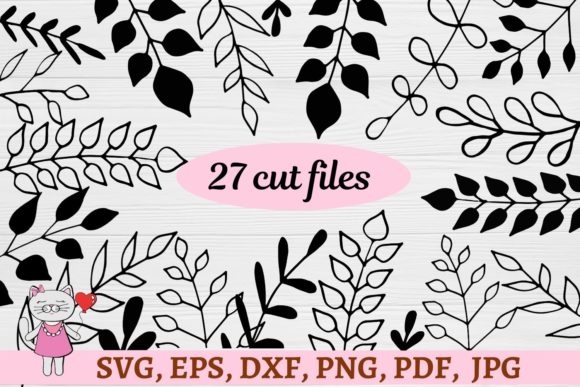
The moment you open the file, the aesthetic is clear. "Hand drawn" implies imperfection, and that is exactly where the charm lies. Unlike rigid, geometric vector shapes that can feel cold or corporate, these leaves have organic curves and slight variations in their stems. This gives the design a warm, approachable mood. It feels artisanal.
For a small business owner, this visual personality is gold. It signals quality without shouting about it. The layout appears balanced, suggesting it could work well as a central focal point or as a repeating pattern element along a hemline. However, the detail level requires careful consideration. If the lines are too fine, they may get lost in the fabric texture. If they are too bold, they might lose that delicate hand-drawn feel. My initial assessment is that this design leans toward the mid-range detail—detailed enough to be interesting, but simple enough to stitch cleanly.
Real-World Application: Where Does It Shine?
Let’s talk about actual use cases. I often test designs by imagining specific products before I ever touch a needle. For Hand Drawn Leaves, several scenarios stand out as particularly strong fits.
- Custom Apparel: Imagine this design embroidered on the chest of a heavyweight cotton sweatshirt. The organic shape contrasts beautifully with the thick fabric, creating a rugged yet refined look. It works especially well for sweatshirt embroidery aimed at fall or winter collections.
- Baby Items: Soft pastels combined with gentle leaf motifs make this ideal for baby clothes. A onesie or a burp cloth featuring this design feels nurturing and timeless. Parents love items that look professional because it reassures them about safety and durability.
- Tote Bags: A tote bag design using Hand Drawn Leaves can elevate a basic canvas bag into a boutique item. Placed centrally or clustered in the corner, it adds character. This is a high-demand item for craft fairs and online marketplaces.
- Kitchen Textiles: Tea towels and aprons benefit from botanical themes. The natural subject matter fits perfectly in a kitchen setting. If you are selling personalized gifts, adding a name beneath the leaves creates a cohesive, custom look.
In each of these cases, the design enhances the product value. It doesn’t just decorate; it completes the story of the item. For an Etsy seller, having a versatile design asset like this means you can list it across multiple categories—home decor, apparel, and accessories—maximizing your reach.
Technical Considerations and Stitch Behavior
Here is where we get technical. An embroidery file is only as good as its execution. When evaluating Hand Drawn Leaves, we must consider how different stitch types interact with the design elements.
If the design relies heavily on satin stitch for the outlines, ensure the underlay is sufficient to prevent puckering, especially on woven fabrics. If it uses fill stitch for the leaf bodies, check the density. Too much thread in one area can make the fabric stiff and uncomfortable, which is a major turn-off for customers buying wearable items. Conversely, if it uses running stitch for fine details, verify that the line weight is visible after stitching.
I strongly advise testing the stitch density on scrap fabric that mimics your final product. If you plan to use this on a stretchy knit fabric for a cap, you need a flexible stabilizer. On a stable linen for a pillow cover, you might get away with less support. Always inspect small details closely. Sometimes, what looks like a distinct vein on a screen becomes a muddy blob when stitched. If the details are too tiny, consider simplifying the design digitally before digitizing or purchasing the final file.
Where to Use With Caution
No design is perfect for every situation. There are specific contexts where Hand Drawn Leaves might struggle or require adjustments.
- Small Hoop Sizes: If you are working on very small items like jewelry boxes or tiny patches, the intricate lines might become indistinguishable. Stick to larger hoops where the eye can appreciate the nuance.
- Textured Fabrics: Bouclé wool or heavy terry cloth can swallow up fine details. The contrast between the thread and the fabric texture might obscure the hand-drawn style. Smooth fabrics like cotton, denim, or polyester blends are safer bets.
- Dark Fabric: If you plan to embroider on black or navy, ensure your thread colors provide enough contrast. Light greens or yellows might get lost unless you use a high-density fill or a bright underlay.
- Curved Surfaces: Embroidering on caps or sleeves presents challenges. The design needs to be adapted to follow the curve, or it will look distorted. Flat surfaces like tote bags or pillow covers are much more forgiving.
Impact on Brand and Customer Trust
For creative entrepreneurs, consistency is key. Using a cohesive design language helps build brand recognition. Hand Drawn Leaves has a distinct style that can become part of your visual identity. When customers see your logo or recurring motif, they associate it with your quality.
Furthermore, a well-executed finished product builds trust. Customers can tell the difference between a mass-produced print and a carefully stitched handmade product. They appreciate the effort. This perception allows you to command higher prices and fosters loyalty. When you present your items with professional printable mockups that highlight the texture and depth of the embroidery, you help buyers visualize the end result, increasing conversion rates.
Practical Designer Notes Before You Start
Before you commit to a full production run, follow these steps to ensure success:
- Test on Scrap: Always stitch a sample on the exact fabric you intend to use. Check for puckering, thread breaks, and color accuracy.
- Check Licensing: Since this is a digital download, review the license terms carefully. Does it allow commercial use for finished goods? Can you sell the physical items? Confirm this before listing on Etsy or your own website.
- Mockup in Black and White: Convert your design to grayscale to check contrast levels. If it lacks definition here, it will likely lack definition in color.
- Choose the Right Stabilizer: The wrong stabilizer can ruin even the best design. Use tear-away for wovens and cut-away for knits to ensure longevity.
- Inspect File Formats: Ensure the graphics provided include the necessary formats for your machine (e.g., PES, DST, EXP). If the package includes vector cutouts for vinyl, remember that embroidery and vinyl require different preparation steps.
Ultimately, Hand Drawn Leaves is a versatile and aesthetically pleasing addition to any embroidery project. It bridges the gap between digital convenience and analog charm. By understanding its strengths and limitations, you can transform a simple embroidery file into a profitable, beautiful commercial embroidery product that resonates with customers. Whether you are making a single personalized gift for a friend or stocking shelves for your craft business, this design offers the flexibility and appeal needed to succeed.