Orchid Flowers Purple Embroidery Design Review
As a designer who spends more time than I care to admit staring at stitch density charts and testing fabric swatches, I approach every new digital asset with a healthy dose of skepticism. The market is flooded with generic floral patterns that look beautiful in a preview window but fall apart when the needle hits the thread. That is why I take the time to evaluate designs like Orchid Flowers Purple not just as a pretty picture, but as a functional tool for production. This review focuses on how this design performs in real-world scenarios, from custom client orders to high-volume craft fair booths.
First Impressions and Visual Personality
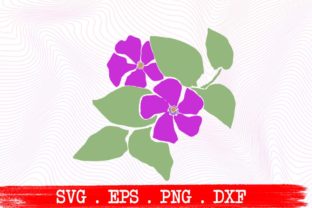
When you first load Orchid Flowers Purple into your digitizing software or cutting program, the immediate takeaway is its elegance. Orchids are notoriously difficult to render effectively in limited color palettes because their structure relies on delicate gradients and subtle shading. However, this design leans into a bold, graphic interpretation rather than trying to mimic a photorealistic bloom. It creates a mood that is sophisticated yet accessible, making it versatile enough for various markets.
The layout feels balanced, which is crucial for embroidery. Unlike some chaotic floral arrangements that require complex hooping and tedious repositioning, this design has a clear focal point. For a small business owner, this translates directly to faster production times. You aren’t fighting the design; you’re working with it. The visual personality suggests a brand that values quality and refinement, which can significantly elevate the perceived value of your finished product.
Real-World Application: The Custom Tote Bag Scenario
To truly test a design, you have to imagine it on a physical object. Let’s consider a common request: a custom embroidered tote bag for a boutique flower shop or a personal gift for a gardening enthusiast. In this scenario, Orchid Flowers Purple shines. The purple tones pop beautifully against neutral canvas fabrics like beige, cream, or even a deep navy blue.
However, there are practical considerations. If you are stitching this onto a heavy-duty cotton canvas, you need to ensure your stabilizer choice is robust. A tear-away might not provide enough support for the fill stitches, leading to puckering. Conversely, if you plan to use this for sweatshirt embroidery on a fleece material, the design’s clean lines will stand out nicely, creating a cozy yet stylish aesthetic perfect for holiday gifts or seasonal merchandise.
I also envision this design performing well on baby embroidery projects. The soft curves of the orchid petals translate well to onesies or nursery decor, provided the stitch count isn’t overly dense. Parents often look for items that feel gentle and safe, and a well-executed orchid design conveys that tenderness without being overly childish.
Performance Across Different Materials and Projects
The versatility of Orchid Flowers Purple extends beyond standard apparel. Here is how it handles specific use cases:
- Custom Apparel and Caps: When placed on the front panel of a cap, the design needs to be scaled appropriately. Because caps are curved surfaces, intricate details can get lost. This design works best when simplified or when the viewer is expected to see it from a distance. For aprons, however, it offers a charming accent that adds personality to kitchen wear.
- Embroidered Patches: If you are creating embroidered patches for jackets or bags, the defined edges of the orchid make it an excellent candidate. Just ensure you leave enough margin for the border stitch so the patch doesn’t fray over time.
- Holiday Embroidery: While not explicitly a Christmas design, the rich purple hue fits beautifully into winter-themed palettes. Imagine this stitched on a white tea towel alongside silver accents for a festive table setting. It adds a touch of luxury to holiday gifts.
- Digital Product Sellers: For those selling printable mockups or design assets, this image provides a strong visual anchor. It looks professional in listings and helps convey the quality of your work to potential buyers on platforms like Etsy.
Where Caution Is Required
No design is perfect for every situation, and Orchid Flowers Purple is no exception. There are specific contexts where you should exercise caution to avoid disappointing customers.
First, avoid using this design on stretchy fabric unless you are using a high-quality knit stabilizer. The tension from the stitches can cause the fabric to pucker, ruining the smooth look of the petals. Similarly, on textured fabrics like bouclé or heavy tweed, the fine details of the orchid may become obscured. The texture competes with the design, leading to a muddy final result.
Another area of concern is small hoop sizes. If you attempt to stitch this design down to a very small size, such as 2x2 inches, you risk losing definition. The inner details of the flower may merge together, creating a blob rather than a distinct orchid. Always inspect small details closely before committing to a small production run.
Furthermore, be mindful of thread colors. On dark fabric, you must use opaque threads to prevent the background from showing through. If the underlay isn’t sufficient, the purple may look washed out. Testing on scrap fabric is non-negotiable here. Additionally, if you are producing items that require frequent washing, such as baby clothes or kitchen towels, ensure the design uses durable stitch types like satin stitch for outlines to prevent fraying.
Practical Designer Notes for Success
To get the most out of Orchid Flowers Purple, follow these practical steps:
- Test on Scrap Fabric: Never go straight to the final product. Stitch the design on a piece of the same fabric you plan to use. Check for puckering, thread breaks, and color accuracy.
- Check Stitch Density: Review the digitization to ensure the density is appropriate for the fabric weight. Too much density on light fabric causes stiffness; too little causes transparency.
- Confirm Hoop Size: Verify that the design dimensions fit comfortably within your machine’s hoop limits, leaving room for proper stabilization.
- Inspect Small Details: Zoom in on the digital file. Are the petals distinct? Is the center of the flower clear? If details are too fine, consider simplifying the design or increasing the size.
- Use Proper Stabilizer: Match your stabilizer to your fabric. Cut-away for stretchy or heavy items; tear-away for stable wovens.
- Review Licensing: Before selling finished items, confirm the licensing terms. Ensure you have the right to use this machine embroidery design for commercial purposes. This applies whether you are an Etsy seller or running a craft business.
Final Verdict
Orchid Flowers Purple is a solid addition to any designer’s library. It strikes a balance between artistic flair and production practicality. It works exceptionally well for personalized gifts, custom apparel, and small shop products where a touch of elegance is desired. While it requires careful attention to fabric choice and stabilization, the payoff is a high-quality finished product that customers will appreciate.
For embroidery designers looking to expand their offerings, this design offers a reliable way to create premium-looking items without excessive complexity. It is a testament to the fact that good design is not just about aesthetics, but about how well it translates from screen to stitch. If you are ready to elevate your handmade product line, this orchid design is a worthy investment of your time and materials.