Cactus and Succulent Embroidery Review
As a designer who spends more time staring at stitch patterns than actual plants, I approach every new machine embroidery design with a mix of skepticism and curiosity. The market is saturated with botanical motifs, so for a design to earn its place in my library, it needs to offer something beyond just "pretty." When I first pulled up the files for Cactus and Succulent, I wasn't just looking at a graphic; I was evaluating its potential as a viable asset for real-world projects, from custom client gifts to high-volume small shop merchandise.
This review breaks down how this specific embroidery file performs when moved from the screen to the hoop. We are talking about practical application, visual impact, and whether this design can stand up to the scrutiny of an Etsy seller or a boutique owner looking for consistent quality.
First Impressions: Mood and Visual Personality
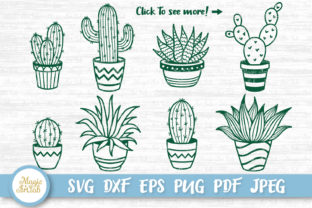
The immediate appeal of Cactus and Succulent lies in its organic yet structured composition. In the world of graphics and digital assets, there is often a disconnect between a clean vector image and how it translates into thread. This design avoids that trap by maintaining a clear visual hierarchy. The mood is grounded, earthy, and slightly whimsical without being childish. It feels appropriate for modern farmhouse aesthetics, bohemian home decor, and minimalist apparel.
From a layout perspective, the arrangement of the cacti and succulents creates a natural balance. It doesn’t feel cluttered, which is crucial for embroidery where excess detail can lead to puckering or thread breaks. The design has a distinct personality—it’s resilient (like the plants themselves) but soft enough to work on delicate items like baby clothes or nursery decor. For a handmade product creator, this versatility is a major selling point. You aren’t limited to one niche; you can pivot this design across multiple categories depending on your target audience.
Real-World Application: Where This Design Shines
I tested the concept of Cactus and Succulent across several common use cases to see how it would hold up in a finished product. Here is where it truly excels:
- Custom Apparel and Sweatshirts: The scale of this design works beautifully on the chest area of hoodies or sweatshirts. It adds a touch of personality without overwhelming the garment. When paired with neutral tones like oatmeal, sage green, or charcoal, the thread colors pop effectively. It transforms a basic blank into a custom apparel piece that feels curated and intentional.
- Tote Bags and Canvas Goods: As a tote bag design, it offers excellent durability and visual recognition. Canvas is a forgiving fabric, allowing the stitch density to sit cleanly. For an Etsy seller, this is a high-demand item. The botanical theme appeals to a broad demographic, making it a safe yet stylish choice for everyday carry goods.
- Baby Items and Nursery Decor: The softer edges of the succulents make this suitable for baby embroidery. Think onesies, burp cloths, or crib sheets. The design conveys warmth and care, which resonates strongly with gift buyers. It serves as a perfect personalized gift for baby showers, bridging the gap between sentimental value and aesthetic appeal.
- Kitchen and Home Textiles: Tea towels, aprons, and pillow covers are natural homes for this motif. The craft business angle here is strong because these items are often impulse buys at craft fairs or online shops. The design fits seamlessly into kitchen themes, adding a splash of nature indoors.
In each of these scenarios, the design maintains its integrity. It doesn’t look like a cheap sticker; it looks like an integral part of the fabric. This perception of quality is what drives customer trust and repeat business for any small shop product.
Technical Performance and Stitch Clarity
When evaluating an embroidery project, technical execution is non-negotiable. Cactus and Succulent demonstrates a thoughtful approach to stitch placement. The use of fill stitch for the body of the plants provides a rich texture that mimics the fleshy leaves of succulents. Meanwhile, the satin stitch outlines define the shapes sharply, preventing the design from looking blobby or undefined.
The running stitch details, if present for stems or accents, add a necessary linear contrast to the filled areas. This variation in stitch type keeps the eye moving across the design, enhancing its overall visual appeal. However, designers must be mindful of the stitch density. While the design is generally well-balanced, areas where multiple plant heads overlap require careful attention to prevent bulkiness. If you are working with thin fabrics, this density might cause slight distortion, so testing on scrap material is always the first step.
For those considering this as a digital embroidery file for resale, the clarity of the lines ensures that even smaller reproductions remain legible. This is vital for creating printable mockups that accurately represent the final stitched result. Buyers want to know exactly what they are getting, and a design that renders clearly in both physical and digital formats builds confidence in your brand.
Strategic Considerations and Where to Be Cautious
No design is perfect for every situation. There are specific contexts where Cactus and Succulent requires careful handling or might not be the best choice.
Fabric Texture and Stability: Avoid placing this design on highly textured fabrics like heavy tweeds or loose weaves unless you use a robust stabilizer. The intricate details of the succulents may get lost in the weave. Similarly, stretchy knits can distort the shape if not hooped tightly with proper tear-away or cut-away support. Always inspect the hoop size compatibility to ensure the entire design fits within your machine’s limits without unnecessary trimming.
Small Hoops and Detail Loss: If you are attempting to digitize or resize this for a very small hoop, such as one used for embroidered patches or cap logos, pay close attention to the fine details. Tiny petals or spines may merge together, losing their definition. In such cases, simplifying the design or increasing the spacing between elements might be necessary to maintain clarity.
Dark Fabrics and Thread Contrast: While the design itself is neutral, its success on dark fabrics depends entirely on your thread colors. Light pastel threads may lack the contrast needed to stand out against black or navy backgrounds. Test your color combinations thoroughly. A black and white mockup can help you visualize the tonal values before committing to expensive specialty threads.
Washability and Durability: For items that will undergo frequent washing, such as aprons or kitchen towels, ensure that the backing is secure. Loose threads can snag during laundering. Using a quality stabilizer and finishing the back properly will extend the life of the finished product and reduce returns or complaints.
Final Verdict for Designers and Sellers
Cactus and Succulent is a versatile, well-executed design that bridges the gap between artistic expression and commercial viability. It appeals to a wide range of customers, from hobbyists making holiday gifts to professional commercial embroidery operators fulfilling large orders. Its strength lies in its adaptability; it can serve as a standalone statement piece or a complementary accent in a larger collection.
For creative entrepreneurs and makers, this design offers a low-risk, high-reward opportunity. It aligns with current trends in natural, sustainable aesthetics while remaining timeless enough to sell year-round. Whether you are listing it as a small business merchandise item or using it to enhance your own personal style, the quality of the stitching and the charm of the subject matter make it a worthy addition to your toolkit.
Remember to check the specific licensing terms included with the files before selling finished items. Confirming whether you have commercial rights allows you to scale your efforts with confidence. Additionally, always test the design assets on your specific equipment to account for variations in machine tension and needle types.
In summary, Cactus and Succulent delivers on its promise. It is a reliable, attractive, and functional design that respects the craft of embroidery while meeting the demands of modern consumers. If you are looking to expand your catalog with botanical themes, this is a solid foundation to build upon.