Wine Glasses Graphics for Crafts
As a brand designer and content marketer, I spend most of my day evaluating how visual assets influence audience perception. When a small business owner or creative entrepreneur reaches out with a new product launch, the first question is never just about aesthetics; it is about communication. Does the visual speak clearly? Does it build trust? And does it fit seamlessly into a broader marketing strategy?
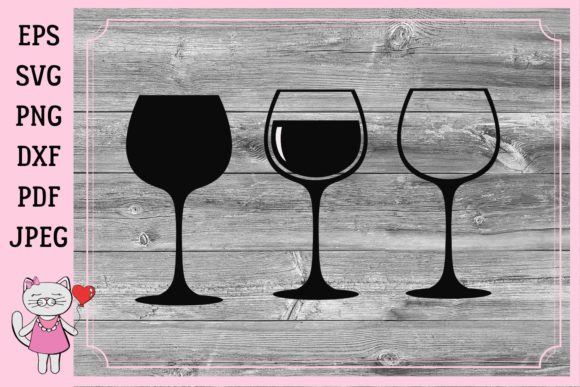
This is exactly why I reviewed Wine Glasses, a graphic design asset described as containing 100 hand drawn artwork pieces that are fully vectored using Adobe Illustrator. This review is not just about the art itself, but about how these digital files function within real-world marketing campaigns, from social media graphics to packaging design.
The First Impression: Mood and Emotional Tone
When you first open a file containing 100 hand drawn artwork elements, the immediate concern is consistency. In the world of modern design, mixed styles can create visual noise that confuses the consumer. However, this asset brings a distinct mood to the table. The hand-drawn nature suggests authenticity, warmth, and craftsmanship. It moves away from the sterile, corporate feel of vector stock images and leans into something more human and relatable.
For brands in the lifestyle, wellness, food and beverage, or handmade goods sectors, this emotional tone is invaluable. It creates an atmosphere of leisure and enjoyment. Whether you are designing for a boutique winery, a home decor shop, or a lifestyle blogger, these visuals support a narrative of relaxation and quality. They do not feel like generic clipart; they feel like illustrations that belong in a premium editorial layout or a cozy Instagram feed.
Real-World Application: A Seasonal Launch Scenario
To understand the practical value of this design bundle, let us look at a real marketing project. Imagine a small business owner launching a new line of artisanal candles, timed for the autumn season. They need a cohesive visual identity across multiple touchpoints: Pinterest pins, Facebook ads, email banners, and physical packaging inserts.
Using Wine Glasses as a core decorative element allows the brand to maintain visual consistency without hiring a custom illustrator for every single post. Because the files are fully resizable and high-quality, the same wine glass illustration can be used as a subtle background texture on a website header or scaled up as the focal point of a promotional banner. This flexibility is crucial for content marketing, where speed and consistency often compete against each other.
In this scenario, the asset supports the brand’s goal of creating a memorable campaign. By repeating the same visual motif across different platforms, the brand reinforces its identity. The audience begins to associate the specific style of the wine glasses with the brand’s aesthetic, leading to stronger recognition over time.
Technical Quality and Workflow Efficiency
From a technical standpoint, the fact that these are fully vectored using Adobe Illustrator is a massive advantage for professional branding. Vector files ensure that your marketing visuals remain crisp regardless of size. You can scale a logo design down to a favicon or blow it up to a large format poster without any loss in resolution.
This is particularly important for digital sellers and creators who produce both digital products and physical merchandise. If you are creating a printable design or a Canva template for your customers, having clean, editable vectors means you can manipulate colors, shapes, and compositions to match your specific brand color palette. This level of control ensures that the asset does not clash with your existing brand identity.
Furthermore, the inclusion of 100 unique artworks provides variety. In social media graphics, repetition can lead to ad fatigue. Having a library of similar yet distinct illustrations allows you to rotate visuals frequently, keeping your audience engaged while maintaining a unified theme. This is essential for platforms like Instagram and Pinterest, where fresh, visually appealing content drives algorithmic favor.
Strategic Use Cases for Branding and Marketing
The versatility of this asset extends beyond simple decoration. Here is how it can support specific marketing goals:
- Packaging Design: Use the illustrations on product labels or gift tags to add a tactile, premium feel to unboxing experiences.
- Social Media Graphics: Create eye-catching posts for event promotions or seasonal offers. The hand-drawn style stands out in crowded feeds.
- Email Banners: Add personality to newsletter headers, making your communications feel less transactional and more relational.
- Editorial Design: Incorporate these elements into blog graphics or lead magnets to break up text and improve readability through better visual hierarchy.
- Digital Ads: Use them in display ads to attract attention without looking overly salesy. The artistic quality builds audience trust by signaling effort and care.
Where to Exercise Caution
No single asset is perfect for every situation. While Wine Glasses excels in lifestyle and creative contexts, there are limitations to consider. For formal corporate branding, such as law firms or financial institutions, the hand-drawn style may appear too casual or informal. Similarly, in dense information layouts where clarity is paramount, decorative illustrations can distract from the core message.
Additionally, when using these assets in small mobile graphics or low-contrast backgrounds, legibility can become an issue. It is crucial to test the design in black and white to ensure the shapes hold up without color support. If the illustration relies heavily on intricate details, it may lose definition when scaled down for mobile screens or printed in small sizes.
Practical Notes for Designers and Marketers
Before integrating this commercial design asset into your workflow, keep the following best practices in mind:
- Color Palette Testing: Import the vectors into your design software and apply your brand colors. Ensure the tones harmonize rather than compete.
- Font Pairing: Experiment with different typefaces. These illustrations pair well with serif fonts for a classic look, script fonts for elegance, or handwritten fonts for a personal touch. Avoid overly rigid sans-serif fonts unless aiming for a specific contrast.
- Mockup Integration: Place the designs inside real campaign mockups. See how they interact with photography and text blocks. This helps visualize the final output before committing to production.
- Licensing Verification: Always confirm the commercial license terms. While many assets allow for use in client work and business branding, some restrictions may apply to resale as a standalone digital product.
- Competitor Analysis: Review how similar assets are used by competitors. Differentiate your brand by combining these illustrations with unique layout strategies or complementary visual elements.
Conclusion: A Strong Tool for Creative Entrepreneurs
In the fast-paced world of visual content creation, having access to high-quality, versatile design assets is a competitive advantage. Wine Glasses offers a blend of artistic charm and technical reliability that serves both small business owners and professional designers well. By understanding its strengths and limitations, you can leverage these 100 hand drawn artwork pieces to create compelling narratives, enhance your brand identity, and drive engagement across all your marketing channels.
Whether you are refreshing your social media presence, designing packaging, or preparing a digital campaign, this asset provides the visual foundation needed to connect with your audience on an emotional level. It is not just a collection of images; it is a toolkit for building a more authentic and professional brand presence.