Thank You Card - DIY Cards - 3D Cards
In the fast-paced world of content marketing and brand design, every visual touchpoint matters. As a brand designer who frequently audits creative assets for small businesses and digital creators, I look beyond aesthetics to ask one critical question: does this asset support the narrative? Recently, I evaluated a specific graphic design asset titled Thank You Card - DIY Cards - 3D Cards. This product falls under the intersection of Crafts and Graphics, offering a tangible solution for brands that want to bridge the gap between digital marketing and physical customer experience. Below is my professional review of how this asset performs in real-world branding scenarios.
The First Impression: Mood and Emotional Tone
When you first open a design file like this, the immediate goal is to establish an emotional connection. The concept behind Thank You Card - DIY Cards - 3D Cards leans heavily into warmth, gratitude, and personalization. In a digital landscape saturated with sterile corporate messaging, a tactile thank-you card introduces a human element that algorithms cannot replicate. The mood it creates is inviting and appreciative, making it highly suitable for lifestyle brands, handmade product sellers, and boutique service providers.
From a visual hierarchy perspective, the 3D aspect adds depth without clutter. It signals quality and effort, which subtly boosts audience trust. When a customer receives a physical token of appreciation that feels designed rather than generic, they perceive higher value in the initial purchase. This emotional tone aligns perfectly with modern design trends that prioritize authenticity over perfection. It works well for casual branding but can be elevated to premium visuals if printed on high-quality stock and paired with elegant typography.
Integrating the Asset into a Real Marketing Workflow
To understand the practical utility of this asset, imagine a scenario where a small business owner is launching a new line of artisanal candles. They are preparing a launch campaign that includes social media graphics, email banners, and physical packaging inserts. The challenge is maintaining visual consistency across all channels while keeping production costs manageable.
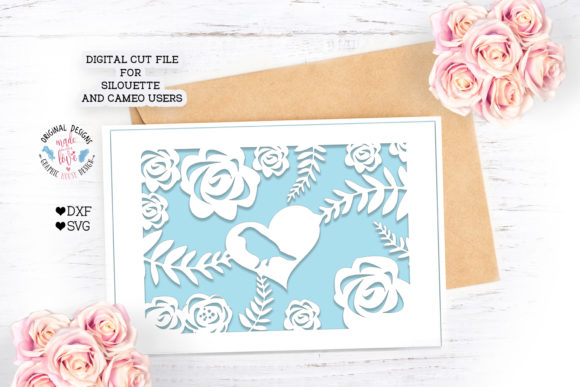
This is where a design bundle or a specialized SVG design becomes invaluable. The description notes that this is an easy card you can create with your Silhouette and Cameo Cutting machines. It includes ready-to-cut panels which you only need to glue together. Score lines are included. Dimensions 7X10 inches Cut. This technical detail is crucial for marketers because it reduces friction in the fulfillment process. Instead of hiring a third-party printer for every order, the brand can produce these inserts in-house as part of their unboxing experience.
By integrating this card into the workflow, the brand creates a cohesive journey. The same color palette and graphic style used in the Instagram posts and Pinterest pins are mirrored in the physical card. This repetition strengthens brand recognition. For content creators who sell digital products, such a card serves as a perfect lead magnet or a bonus gift for customers who purchase a course or template pack. It transforms a transactional relationship into a relational one.
Performance Across Marketing Channels
A versatile graphic design asset must perform well in multiple contexts. Here is how Thank You Card - DIY Cards - 3D Cards holds up across various marketing visuals:
- Social Media Graphics: While the final product is physical, the design file can be adapted for digital use. You can photograph the assembled card and use those images as Instagram posts or Facebook ads to showcase the unboxing experience. This provides authentic user-generated content (UGC) style visuals that drive engagement.
- Packaging Design: As a packaging insert, it acts as a final impression builder. It ensures that the last thing a customer sees before closing the box is a message of gratitude, reinforcing positive sentiment.
- Email Banners: The layout of the card, typically balanced with text and decorative elements, offers inspiration for email header designs. The principles of balance and whitespace used here can inform how you structure digital newsletters.
- Printable Promotions: If you are running a local pop-up event, these cards serve as effective flyers or promotional materials. Their 3D nature makes them stand out in a stack of traditional paper handouts.
Furthermore, for designers working on brand identity, this asset demonstrates how simple geometric shapes and score lines can create complex visual interest. It is a great reference for creating other printable design assets, such as business cards or invitation suites.
Strategic Advantages for Brand Growth
Utilizing this asset supports several key marketing goals. First, it enhances the professional appearance of your operations. Even if the printing is done in-house, having a structured, pre-designed template ensures that every card looks uniform and polished. Second, it improves audience trust. Customers feel valued when they receive personalized touches, which increases the likelihood of repeat purchases and referrals.
Additionally, it aids in content marketing. The process of assembling these cards can be turned into behind-the-scenes content for TikTok or Reels. Showing the "making of" the thank-you card highlights the care put into the business, a strategy known as transparency marketing. This builds a stronger emotional connection with followers who appreciate the hustle and creativity involved.
Ideal Use Cases and Applications
This asset shines brightest in specific scenarios. It is excellent for hero graphics that highlight customer appreciation campaigns. It works well as a branded template for seasonal greetings, such as holiday thank-yous or anniversary messages. It also serves as a decorative brand element in editorial layouts, adding a tactile feel to otherwise flat digital documents.
Areas Requiring Caution
However, no single asset fits every brand. There are situations where Thank You Card - DIY Cards - 3D Cards should be used carefully. For formal corporate branding, the playful nature of a DIY craft may undermine the seriousness of the message. Similarly, in dense information layouts, the complexity of a 3D fold might distract from critical data points. Small mobile graphics should be tested thoroughly; if the details are too fine, they may become illegible on smaller screens. Finally, ensure that the asset does not compete with the main message in text-heavy ads. The focus should remain on clarity and call-to-action.
Practical Designer Notes for Implementation
Before incorporating this asset into your commercial design workflow, consider these technical checks. Always test the design with your specific brand color palette. Colors shift significantly when moving from screen to print, so previewing the card in black and white usage helps verify contrast and readability.
Place the design inside real campaign mockups to see how it scales. Check how it pairs with different font styles. Does it complement a serif font for a classic look, or does it work better with a sans serif font for a modern aesthetic? Test readability in small sizes by simulating how it would appear in a thumbnail view. Compare it against competitor visuals to ensure your thank-you notes stand out in a crowded market.
Most importantly, confirm the commercial license before using it in paid campaigns or client work. Understanding the terms of use for any digital product protects your business from legal issues. Whether you are using it as a Canva template adaptation or a direct print file, knowing your rights is essential for sustainable growth.
Final Verdict
Thank You Card - DIY Cards - 3D Cards is more than just a craft project; it is a strategic tool for enhancing customer retention and brand perception. By combining the ease of digital cutting files with the emotional impact of physical mail, it offers a unique way to connect with audiences. For small business owners, online coaches, and creative entrepreneurs looking to elevate their visual hierarchy and create memorable campaign visuals, this asset provides a solid foundation. It supports modern design principles while honoring the timeless value of a handwritten note. When executed with attention to detail and consistent branding, this card becomes a powerful component of your overall marketing strategy.