Abstract Mandala Flower Graphics for Crafts
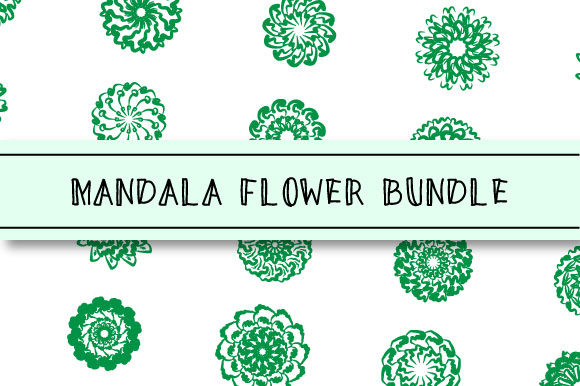
I recently received a brief from a client launching a boutique line of artisanal candles and home fragrances. The brand identity needed to feel organic, calming, and distinctly handmade, yet sophisticated enough to sit comfortably on premium packaging. They wanted to avoid generic clipart but didn’t have the budget for a fully custom illustration suite. This is where I evaluated Abstract Mandala Flower, a design asset described as an abstract bundle of flowers with flat illustrations made from real hands, executed in a minimalist style. As a designer who frequently navigates the tension between creative expression and commercial viability, I put this asset through its paces to see if it could support a real-world branding project.
First Impressions: Mood and Visual Tone
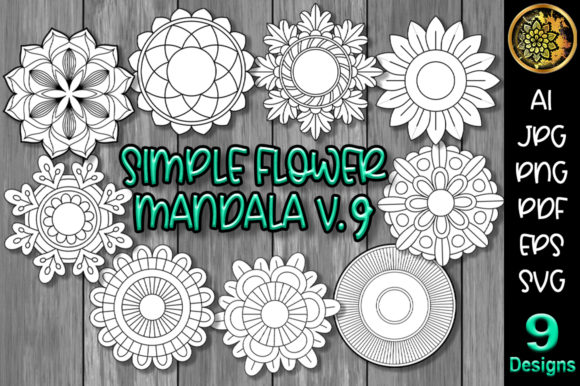
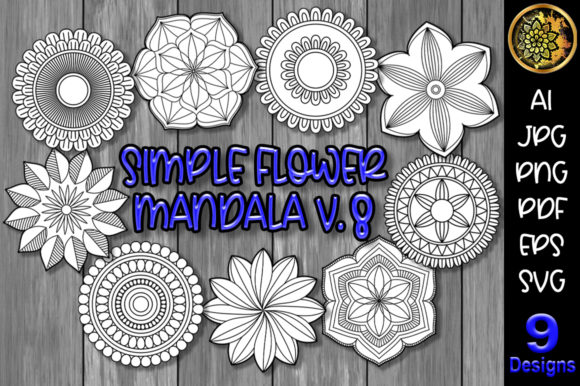
The immediate visual impact of Abstract Mandala Flower is one of structured serenity. Unlike chaotic floral patterns or overly intricate mandalas that can feel dated or cluttered, this asset leans heavily into modern minimalism. The "flat illustrations" aspect suggests clean lines and deliberate negative space, which is crucial for contemporary branding. It doesn’t scream for attention; instead, it invites the viewer in. For a small business owner or a maker selling on Etsy, this kind of aesthetic builds trust. It signals that the product inside is thoughtful and carefully crafted.
The description notes that these are "abstract bundle flowers," which implies a stylized interpretation rather than botanical realism. This abstraction allows for greater versatility. It works well for brands that want to evoke nature without being literal. Whether used for glass stickers, logos, or decor items, the design carries a quiet confidence. It feels like a staple in a professional’s library—a reliable graphic design asset that bridges the gap between artistic flair and corporate cleanliness.
Application in Brand Identity and Packaging
In the context of the candle client’s project, I explored how Abstract Mandala Flower would perform as part of a broader brand identity. Minimalist designs often struggle when scaled down, but this asset held up well. Because the style is flat and simplified, it retains its integrity even when reduced to the size of a jar label or a hang tag. This is a critical factor for packaging design, where space is at a premium.
I also tested its potential for logo design. While a complex mandala might be too busy for a primary logo mark, this abstract version could serve beautifully as a secondary emblem or a watermark. It adds a layer of visual hierarchy without competing with the logotype. When paired with a clean sans serif font for the brand name, the flower bundle provides the necessary emotional appeal and human touch that pure typography lacks. It softens the brand voice, making it feel more approachable and handmade.
Merchandise and Print-on-Demand Viability
Beyond static branding, this asset showed strong potential for merchandise. I simulated placing the design on various products, including tote bags, mugs, and t-shirt designs. The minimalist style translates exceptionally well to sublimation design and direct-to-garment printing. The flat colors and clear shapes ensure that the print remains crisp, avoiding the muddy edges that can plague detailed illustrations on textured fabrics.
For digital sellers and print-on-demand entrepreneurs, Abstract Mandala Flower is a versatile tool. It fits seamlessly into seasonal campaigns, such as spring launches or bohemian-themed events. It also works as a standalone printable design for wall art, appealing to customers looking for affordable, aesthetically pleasing decor. The asset’s adaptability means it can be rotated, recolored, or combined with other elements to create a cohesive collection, maximizing the value of a single purchase.
Strategic Placement and Layout Considerations
Not every design element belongs everywhere. In my review, I identified specific scenarios where Abstract Mandala Flower shines and others where it requires careful handling. The asset performs best in large layout areas, such as hero graphics on a website, full-page editorial design spreads, or as a background pattern for social media graphics. Its intricate yet balanced structure rewards close inspection, making it ideal for supporting brand elements that need to hold visual weight.
However, designers must exercise caution when using this asset in crowded layouts or on complex backgrounds. The subtle details of the flat illustrations can get lost if the surrounding visual noise is too high. Similarly, while the minimalist style is clean, it may not provide enough contrast for projects requiring very bold, high-impact messaging. In low-contrast designs, the delicate lines of the flower bundle might fail to register, undermining the visual hierarchy.
Readability and Professional Polish
One of the most important aspects of any design asset is how it interacts with text. I found that Abstract Mandala Flower pairs well with both serif and sans serif fonts, though it leans naturally toward elegant, thin typefaces that complement its delicate lines. It should be avoided in projects that rely on heavy, blocky display fonts, as the contrast in weight can feel jarring. When used correctly, it enhances readability by providing a focal point that guides the eye without overwhelming the copy. This balance contributes significantly to the overall professionalism of the design, ensuring that the final result feels polished and intentional.
Technical Checks Before Commercial Use
Before integrating Abstract Mandala Flower into a client project, there are several technical steps every designer should take. First, always test the asset in black and white. This reveals whether the composition holds together without relying on color, ensuring robust structural design. Next, check the contrast on both light and dark backgrounds. A minimalist design can disappear on a white background if the stroke weight is too thin, so verifying legibility across different mediums is essential.
Previewing the asset at various sizes is another non-negotiable step. Check how it looks at 1 inch versus 10 inches. If you plan to use it for Cricut projects or sticker design, inspect the PNG transparency if included, or verify the SVG editability if working with vector files. Clean vectors allow for easy resizing and color manipulation, which is vital for creating custom mockups or adapting the design for different marketing visuals.
Finally, confirm the commercial license. Even if the asset is marketed as suitable for logos and decor, usage rights vary. Ensure you have permission to use it for print-on-demand, digital products, and client work. Reviewing the file formats and inspecting the quality of the illustrations ensures that you are getting a true digital product that meets industry standards.
Final Verdict for Designers and Creators
Abstract Mandala Flower is a strong addition to any graphic design asset library. Its minimalist style and abstract interpretation make it highly adaptable for a wide range of applications, from brand identity and packaging to social media graphics and craft projects. It offers the perfect blend of artistic charm and professional clarity, making it suitable for handmade businesses, small business branding, and modern design initiatives.
For designers, marketers, and content creators, this asset saves time while elevating the visual mood of a project. It helps create a sense of cohesion and polish that resonates with audiences. Whether you are designing a new Etsy product, updating your website’s web design, or preparing materials for a local event, Abstract Mandala Flower provides a reliable, stylish foundation. By following proper technical checks and strategic placement guidelines, you can leverage this creative design to produce results that are not only beautiful but commercially effective.