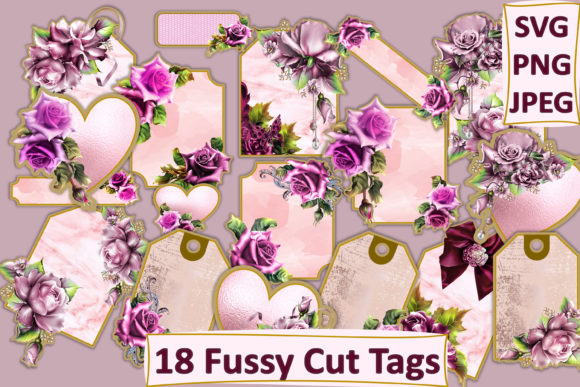
18 Fussy Cut Tags: Elevating Graphics and Crafts for Digital Publishing
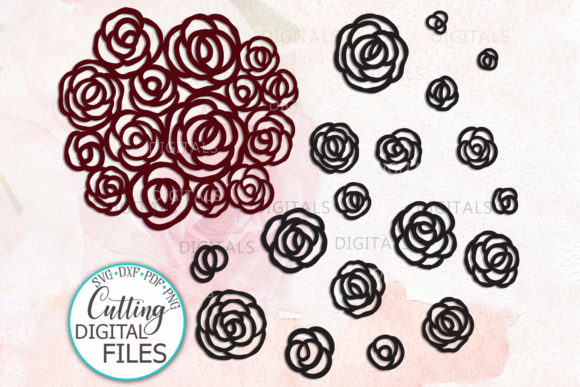
In the world of content marketing, visual hierarchy is not merely an aesthetic choice; it is a functional necessity. As a blog designer who has spent years optimizing editorial layouts for both readability and conversion, I have learned that the difference between a scroll-past and a click-through often lies in the subtle details of graphic design assets. Today, I am reviewing a specific asset pack that has caught my eye for its potential to enhance lifestyle and creative niches: 18 Fussy Cut Tags. This collection offers printable fussy cut roses tags ephemera, available in SVG, PNG, and JPEG formats, providing versatile tools for digital publishers looking to polish their brand identity.
The Editorial Mood of Fussy Cut Aesthetics
When you first import these files into your workspace, the immediate impression is one of refined elegance. The term "fussy cut" refers to illustrations that have been precisely cut out from their background, leaving no white box or harsh borders. In the context of web design, this technique allows graphics to blend seamlessly with page backgrounds, creating a layered, magazine-quality feel. The rose decorations within this pack evoke a mood that is distinctly feminine, artistic, and slightly nostalgic.
This visual language supports content niches that value storytelling and personal connection. It feels at home in lifestyle blogs, wedding planning resources, floral craft tutorials, and small business branding for boutique owners. Unlike bold, geometric shapes that scream "corporate," these ephemeral pieces whisper sophistication. They suggest that the content behind them is curated, thoughtful, and high-quality. For newsletter creators and online educators, this aesthetic can transform a standard email header into an inviting editorial experience, signaling to the reader that they are entering a space of care and attention to detail.
Integrating Assets into Real Publishing Workflows
One of the primary challenges for digital marketers and affiliate marketers is maintaining visual consistency across multiple platforms. A single graphic needs to perform well as a website banner, a Pinterest pin, and a social media post. The inclusion of three different formats (SVG, PNG, JPEG) in this pack addresses this fragmentation directly. Here is how I envision integrating these design assets into a typical content publishing workflow:
- Pinterest Pins and Social Media Graphics: The transparent PNGs are ideal for overlaying on gradient backgrounds or textured paper images. You can layer a fussy-cut rose tag over a soft pastel background to create a Pinterest pin that stands out in a crowded feed without feeling cluttered.
- Digital Guides and Lead Magnets: When designing a downloadable resource, such as a wedding checklist or a gardening journal, these tags serve as excellent decorative accents. They break up text-heavy sections and guide the eye toward key information, improving the overall visual hierarchy.
- Canva Templates: For bloggers who use Canva for rapid content creation, the SVG files allow for easy resizing and recoloring. You can match the rose tones to your specific brand palette, ensuring that every digital product feels cohesive.
- Newsletter Headers: Email clients often struggle with complex HTML. Using simple, high-contrast PNGs of these tags allows you to add personality to your email campaigns without risking broken layouts. A single tag placed next to a headline can draw attention more effectively than a large, heavy image.
Impact on Content Performance and Reader Trust
Why does this matter for your bottom line? In content marketing, trust is built through professionalism. When a website looks polished, readers subconsciously assume the content inside is reliable. By using high-quality creative design elements like these fussy cut tags, you elevate the perceived value of your free content. This is crucial for affiliate marketing, where you want to encourage clicks on partner links. A clean, attractive layout reduces cognitive load, making it easier for users to navigate your site and engage with your recommendations.
Furthermore, consistent use of these assets strengthens your brand identity. If you decide to use a specific shade of blush pink for your roses across all your blog graphics, email headers, and social media previews, you create a recognizable visual signature. Over time, this repetition builds familiarity, which is a key driver of reader loyalty and repeat traffic.
Strategic Placement for Maximum Effect
To get the most out of this asset pack, consider where it fits best in your editorial calendar. These graphics excel in areas that require a touch of decoration without overwhelming the message. They are perfect for category thumbnails, editorial accents in long-form articles, and cover images for eBooks. However, strategic placement is key to maintaining a modern design aesthetic.
They work beautifully as hero images for seasonal content, such as spring planting guides or Valentine’s Day gift ideas. In these contexts, the romantic nature of the roses aligns perfectly with the topic, enhancing the thematic relevance of the post. Additionally, using them in downloadable printables adds tangible value to your lead magnets, encouraging more sign-ups for your email list.
Where to Exercise Caution
Not every design asset is suitable for every niche. While these tags are stunning for lifestyle and creative industries, they may not be appropriate for serious professional niches. Corporate content, legal advice blogs, or technical documentation websites typically require a more minimal visual system. In these cases, the ornate nature of fussy cut roses might distract from the core message or appear unprofessional.
Additionally, be mindful of mobile responsiveness. Small mobile thumbnails can sometimes lose detail when complex vector shapes are scaled down. Always test your designs on actual devices to ensure that the fine lines of the roses remain crisp and legible. Avoid placing these graphics on busy layouts or low-contrast backgrounds, as this can reduce readability and frustrate users trying to consume your content.
Practical Publisher Notes for Implementation
Before deploying these assets across your monetized websites, there are several technical checks you should perform. First, always review the commercial licensing agreement. Even if you purchased the asset, confirm that you are allowed to use it in digital products that generate revenue. This protects your small business branding from potential legal issues.
Next, focus on file optimization. Large image files can slow down your website, negatively impacting SEO and user experience. Use compression tools to reduce the file size of your JPEGs and PNGs without sacrificing visible quality. Test the contrast by previewing your designs in black and white; if the graphic loses its impact, it may rely too heavily on color rather than shape.
Finally, experiment with typography pairing. Place these elegant tags beside serif fonts for a classic, literary look, or against sans-serif fonts for a modern, clean contrast. Try combining them with script or handwritten fonts to emphasize the personal, handmade vibe of the crafts niche. By testing these combinations, you will find the perfect balance between editorial design and readability.
In conclusion, 18 Fussy Cut Tags is more than just a collection of pretty pictures; it is a tool for enhancing the visual communication of your digital presence. By integrating these graphics thoughtfully into your blog posts, newsletters, and social media strategies, you can create a more engaging, trustworthy, and professional online experience for your audience.